 EN
EN
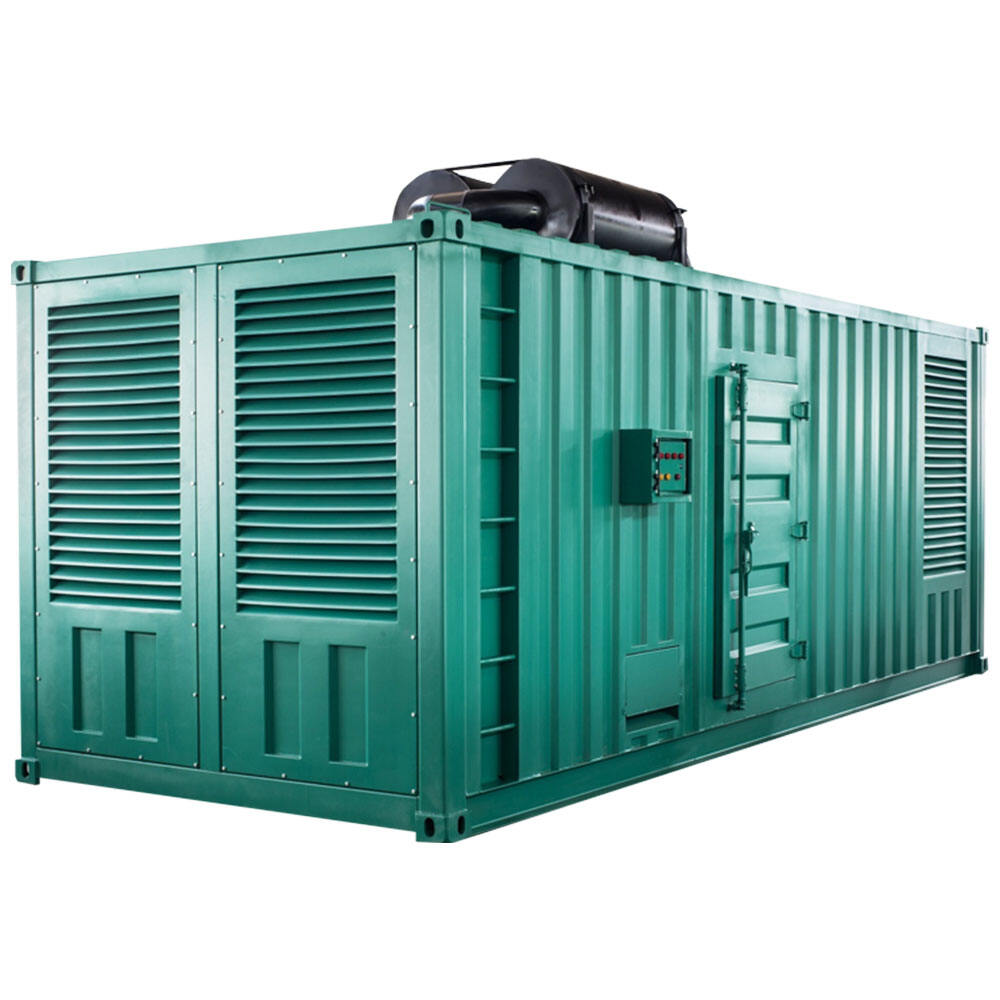
Დიზელის გენერატორის ექსპლუატაცია მოითხოვს ყოვლისმოхватავ უსაფრთხოების პროტოკოლებს, რათა დაცული იყოს პერსონალი და მოწყობილობები და უზრუნველყოფილი იქნეს ოპტიმალური წარმადობა. ეს მდგრადი ენერგეტიკული სისტემები ასრულებენ მნიშვნელოვან როლს სამრეწველო, სავაჭრო და საცხოვრებელ საგნებში, ავარიული რეზერვული ენერგიიდან დაწყებული და დაშორებული ადგილების ოპერაციებით დამთავრებული. სწორი უსაფრთხოების პროცედურების ცოდნა არა მხოლოდ შემთხვევების თავიდან აცილებას უზრუნველყოფს, არამედ გააგრძელებს მოწყობილობის სიცოცხლის ხანგრძლივობას და უზრუნველყოფს მოქმედი ნორმების დაცვას სხვადასხვა ექსპლუატაციურ გარემოში.
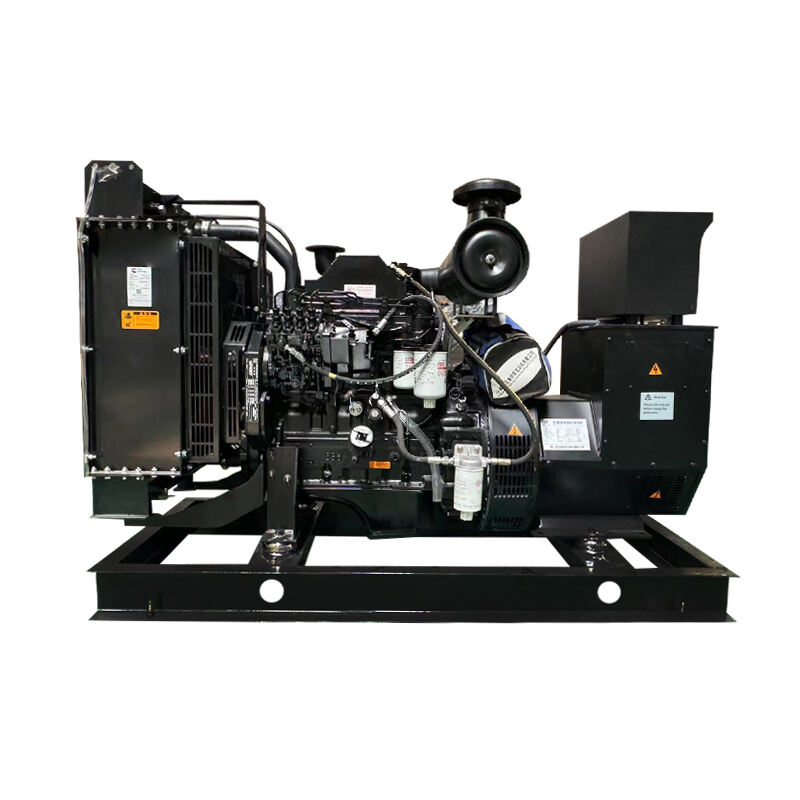
Ექსპლუატაციამდე უსაფრთხოების პროტოკოლები
Ადგილის მომზადება და გარემოს შეფასება
Უსაფრთხო სამუშაო გარემოს შექმნა იწყება ადგილის სრული მომზადებით და საფრთხეების იდენტიფიცირებით. მონტაჟის ადგილი უნდა უზრუნველყოს საკმარისი ვენტილაციით ნახშირორჟანგის დაგროვების თავიდან ასაცილებლად და გაგრილების სისტემებისთვის საჰაერო მიმოქცევის უზრუნველსაყოფად. საფენი უნდა იყოს გასწორებული, მდგრადი და უნდა იყოს მზად გენერატორის წონის მატარებლად დამატებითი დინამიური ტვირთების გათვალისწინებით მუშაობის დროს. მართვის პერსონალისა და საგანგებო სიტუაციებში მოქმედი გუნდებისთვის უნდა იქნეს უზრუნველყოფილი თავისუფალი წვდომის მარშრუტები ნებისმიერ დროს.
Გაშვების პროცედურებამდე საჭიროა განსაკუთრებული ყურადღებით შეფასდეს გარემოს ფაქტორები, როგორიცაა ამინდის პირობები, წვადი მასალების ახლოს არსებობა და შესაძლო წყალდიდობის რისკები. საწვავის შენახვის ადგილები მოითხოვს განსაკუთრებულ ყურადღებას, სადაც შესაბამისი შემომსაზღვრელი სისტემები და აგნების ჩაქრობის მოწყობილობები უნდა იყოს სტრატეგიულად განლაგებული. გარშემო მდებარე ტერიტორიის რეგულარული შემოწმება ხელს უწყობს პოტენციური საფრთხეების გამოვლენაში, რომლებიც შეიძლება შეამსუბუქონ ექსპლუატაციის უსაფრთხოება ან პერსონალის უსაფრთხოება გრძელვადიანი გამოყენების პერიოდში.
Მოწყობილობის შემოწმება და გაშვებამდელი საკონტროლო სია
Სრული გაშვებამდელი შემოწმება უზრუნველყოფს დიზელის გენერატორის უსაფრთხო ექსპლუატაციის საფუძველს. ყველა გარე კომპონენტის, მათ შორის საწვავის მილების, გამოდინრების სისტემების, გაგრილების კომპონენტების და ელექტრო შეერთებების ვიზუალური შემოწმება ხელს უწყობს პოტენციური პრობლემების გამოვლენაში, სანამ ისინი უსაფრთხოების საფრთხედ არ იქცევიან. სითხეების დონის შემოწმება, მოტორული ზეთის, გაგრილების სითხის და საწვავის ჩათვლით, უზრუნველყოფს იდეალურ შესრულებას და ახდენს მექანიკური გამართულების თავიდან აცილებას, რომელიც საშიშ სიტუაციებამდე შეიძლება მიგვიყვანოს.
Შემოწმების შედეგების დოკუმენტირება უზრუნველყოფს მნიშვნელოვან შენახვის ჩანაწერებს და ეხმარება ნიმუშების დადგენაში, რომლებიც შეიძლება მიუთითოდნენ განვითარებად პრობლემებზე. უსაფრთხოების სისტემების, როგორიცაა ავარიული გათიშვები, სიგნალიზაცია და მონიტორინგის მოწყობილობების ტესტირება ადასტურებს, რომ ეს კრიტიკული კომპონენტები სწორად ფუნქციონირებენ საჭიროების შემთხვევაში. სათანადო გრუნტვისა და ელექტრული უსაფრთხოების ზომების ვერიფიკაცია დაცულობას უზრუნველყოფს ელექტროშოკის რისკისგან და მოწყობილობის დაზიანებისგან ოპერაციის დროს.
Ოპერაციული უსაფრთხოების ზომები
Გაშვების და გაშვებული მუშაობის პროცედურები
Უსაფრთხო გაშვების პროცედურები დიზელის გენერატორი მოითხოვს სისტემატურ შესაბამისობას მწარმოებლის სპეციფიკაციებთან და ინდუსტრიის საუკეთესო პრაქტიკებთან. უსაფრთხოების ყველა სისტემის, მათ შორის ავარიული გაჩერებისა და გაფრთხილების ინდიკატორების საწყისი შემოწმება უნდა დასრულდეს გაშვების მიმდევრობის გაშვებამდე. ყველა პერსონალის უნდა ატაროს სათანადო პირადი დამცავი საშუალებები, მათ შორის სმენის დამცავი და უსაფრთხოების სათვალეები, რომლებიც მუშაობს სამუშაო ზონაში.
Ექსპლუატაციის დროს ზეთის წნევის, სითხის ტემპერატურის და ელექტრო გამოტანის მსგავსი კრიტიკული პარამეტრების უწყვეტი მონიტორინგი საშუალებას იძლევა დროულად გამოვლინდეს პოტენციური პრობლემები, სანამ ისინი უსაფრთხოების საკითხად არ იქცევიან. დადგენილი ექსპლუატაციური ზღვრების შენარჩუნება თავიდან აცილებს გადახურებას, მექანიკურ დატვირთვას და ელექტრო საფრთხეებს, რომლებიც შეიძლება შეეფერხოს პერსონალს ან მოწყობილობებს. გამოშვების მახასიათებლების, უჩვეულო ხმების ან ვიბრაციების რეგულარული დაკვირვება ადრეულ გაფრთხილებას იძლევა არსებული პრობლემების შესახებ, რომლებიც მოითხოვენ დამატებით ყურადღებას.
Დატვირთვის მართვა და ელექტრო უსაფრთხოება
Სწორი დატვირთვის მართვა თავიდან აცილებს ელექტრო საფრთხეებს და უზრუნველყოფს სტაბილურ ელექტრო მიწოდებას მთელი ექსპლუატაციის პერიოდის განმავლობაში. გენერატორის ნომინალური სიმძლავრის გაგება და გადატვირთულობის პირობებიდან თავის შეკავება იცავს როგორც მოწყობილობას, ასევე მიერთებულ დატვირთვებს დაზიანებისგან. დატვირთვის დანებებით მიმატება საშუალებას იძლევა ძრავას გაარკვიოს მოთხოვნების ცვლილებები, ხოლო სტაბილური ძაბვის და სიხშირის გამოტანა შენარჩუნდეს.
Ელექტრული უსაფრთხოების პროტოკოლები შეიცავს სათანადო გალაქტიკური დამუშავების ვერიფიკაციას, დამუშავების დაზიანების დაცვის სისტემების რეგულარულ ტესტირებას და დატვირთული კომპონენტების გარშემო შესაბამისი სივრცის შენარჩუნებას. ელექტრულ შეერთებებთან ახლოს მუშავი პერსონალი უნდა იყოს მომზადებული გათიშვის/შემოწმების პროცედურების და ავარიული სიტუაციების რეაგირების პროტოკოლების შესახებ. კაბელების, შეერთებების და გამრთვევი აპარატურის რეგულარული შემოწმება ხელს უწყობს დეგრადაციის გამოვლენაში, რაც შეიძლება გამოიწვიოს ელექტრული დაზიანებები ან ხანძრის საფრთხე.
Საწვავის მართვა და შენახვის უსაფრთხოება
Საწვავის სისტემის მართვა
Საწვავის უსაფრთხო მართვა აუცილებელია ხანძრის, გარემოს დაბინძურების და დიზელის საწვავთან დაკავშირებული ჯანმრთელობის საფრთხეების თავიდან ასაცილებლად. შესაბამისი საწვავის რეზერვუარები, ტრანსფერის მოწყობილობები და შემომსაზღვრელი სისტემები უნდა აკმაყოფილებდეს რეგულატორულ მოთხოვნებს და ინდუსტრიის სტანდარტებს. საწვავის ხაზების, ფილტრების და შეერთებების რეგულარული შემოწმება ხელს უწყობს შესაძლო გაჟონვის წერტილების გამოვლენაში, სანამ ისინი უსაფრთხოების საფრთხედ არ იქცევიან.
Საწვავის ხარისხის მართვა შესაბამისი შენახვის ტექნიკის, წყლის გამოყოფის და დაბინძურების თავიდან აცილების საშუალებით უზრუნველყოფს ძრავის წარმატებულ მუშაობას და ამცირებს საწვავის სისტემის გაუმართაობის რისკს. საწვავთან მუშაობის შესაბამისი პროცედურების, ჩაშლილი საწვავის რეაგირების და გასუფთავების წესების გაცნობიერება უზრუნველყოფს სწრაფ და ეფექტურ რეაგირებას შემთხვევითი გაჟონვის შემთხვევაში. პერსონალის მომზადება საწვავის უსაფრთხოების პროცედურებზე და ავარიული სიტუაციების მართვაზე ქმნის უსაფრთხოების აღქმის კულტურას მთელ ორგანიზაციაში.
Კირის პრევენცია და ჩაქრობა
Კირის თავიდან აცილების სტრატეგიები მოიცავს რამდენიმე დაცვის დონეს – შესაბამისი მოწყობილობების მოვლიდან დაწყებული ავარიული სიტუაციების მართვის დაგეგმვამდე. ძრავის comparments-ის რეგულარული გასუფთავება ამოიცილებს დაგროვილ ნაქარის და ზეთის ნარჩენებს, რომლებიც შეიძლება აღიწიონ მაღალი ტემპერატურის პირობებში. შესაბამისი განათების სისტემები თავიდან აცილებენ ალებადი ნაჯერების დაგროვებას და უზრუნველყოფს სამუშაო ტემპერატურის ოპტიმალურ დონეს.
Საწვისის ჩახშობის სისტემები, მათ შორის პორტატული გამართვები და ფიქსირებული ჩახშობის მოწყობილობები, უნდა იყოს შეთავაზებული კონკრეტული საწვისის რისკების შესაბამისად. პერსონალის მომზადება საწვისის უსაფრთხოების პროცედურებში, მათ შორის ევაკუაციის პროტოკოლებში და ავარიული გამორთვის პროცედურებში, უზრუნველყოფს სწრაფ რეაგირებას საწვისის ავარიულ მდგომარეობებში. საწვისის უსაფრთხოების მოწყობილობების რეგულარული ტესტირება და მოვლა უზრუნველყოფს მათ მზადყოფნას ავარიული სიტუაციებისთვის.
Მომსახურება და Სერვისი Უსაფრთხოება
Განრიგის მიხედვით შესრულებული შემოვლის პროტოკოლები
Სრული შემოწმების გრაფიკების შემუშავება ამცირებს მოწყობილობების გამართულების ალბათობას, რომელიც შეიძლება შექმნას უსაფრთხოების საფრთხეებს. გეგმაზე დაყრდნობით შემოწმების ღონისძიებები უნდა ხდებოდეს შეჩერების პერიოდში, როდესაც ეს შესაძლებელია, შესაბამისი გათიშვის/თაგვის პროცედურებით, რათა თავიდან ავიცილოთ შემთხვევითი ჩართვა. შესაბამისი ხელსაწყოები, მოწყობილობები და პირადი დამცავი აღჭურვილობა უზრუნველყოფს ტექნიკოსების უსაფრთხოებას შემოწმების დროს.
Შენახვის ღონისძიებების დოკუმენტირება მომავალი საჭიროებისთვის აგროვებს ფასეულ ინფორმაციას და ხელს უწყობს პრობლემების ადრეულ აღმოჩენას, რომლებიც შეიძლება განვითარდეს. მომსახურე პერსონალის მომზადება დიზელის გენერატორების სისტემებთან დაკავშირებულ უსაფრთხოების პროცედურებზე უზრუნველყოფს კომპეტენტურ მოპყრობას პოტენციურად საფრთხის შემცველ ვითარებებში. ოპერაციებისა და შენახვის გუნდებს შორის კოორდინაცია ავითარებს ურთიერთქმედებებს, რომლებიც შეიძლება შეეწინააღმდეგონ უსაფრთხოებას მომსახურების დროს.
Საავარიო რეაგირების დაგეგმვა
Ეფექტიანი ავარიული რეაგირების დაგეგმვა მოიცავს სცენარების მრავალფეროვნებას, რომლებიც შეიძლება წარმოიშვას გენერატორის ექსპლუატაციის დროს, მათ შორის მექანიკური გამართულებები, ელექტრო ხარვეზები და ხანძრის შემთხვევები. გასაგები კომუნიკაციის პროტოკოლები უზრუნველყოფს ავარიული მომსახურების სწრაფ გაფრთხილებას და ევაკუაციის პროცედურების კოორდინაციას საჭიროების შემთხვევაში. რეგულარული სწავლებები და სავარჯიშოები ეხმარება პერსონალს განავითაროს კომპეტენცია ავარიული რეაგირების პროცედურებში.
Ავარიული შეჩერების პროცედურები უნდა იყოს ნათლად დოკუმენტირებული და რეგულარულად ივარჯიშებოდეს, რათა უზრუნველყოს სწრაფი რეაგირება საფრთხის შემთხვევაში. სარეზერვო ელექტრომომარაგების სისტემები და ალტერნატიული უსაფრთხოების მოწყობილობები უზრუნველყოფს დუბლირებას კრიტიკულ გამოყენებებში, სადაც გენერატორის გამართულება შეიძლება დამატებით საფრთხეს შეუქმნას. შემთხვევის შემდგომი ანალიზი და დოკუმენტირება ეხმარება უსაფრთხოების პროცედურების გაუმჯობესებას და მსგავსი ინციდენტების თავიდან აცილებას მომავალში.
Გარემოსა და ჯანმრთელობის გამოწვევები
Ნარჩენების კონტროლი და ჰაერის ხარისხი
Დიზელის გენერატორების ექსპლუატაციიდან გამომდინარე ნარჩენების მართვა იცავს როგორც გარემოს ხარისხს, ასევე მიმდებარე ტერიტორიებზე მყოფი პერსონალის ჯანმრთელობას. ნაღავის სისტემის შესაბამისი დიზაინი და მოვლა უზრუნველყოფს წვის პროდუქტების ეფექტურ ამოღებას და ზიანის მოტანის მინიმალურ დონეზე შემცირებას საფრთხის შემცველ ნივთიერებებთან კონტაქტის დროს. რეგულარული ნარჩენების ტესტირება და შესაბამისობის მონიტორინგი ხელს უწყობს რეგულატორული მოთხოვნების შესაბამისობის შენარჩუნებას და ძრავის პოტენციური პრობლემების გამოვლენას.
Დახურულ გენერატორებთან დაკავშირებულ ინსტალაციებში განათების სისტემებმა უნდა უზრუნველყონ საკმარისი ჰაერის გაცვლა, რათა თავიდან იქნეს აცილებული გამოდინარე აირების დაგროვება და შენარჩუნდეს დასაშვები ჰაერის ხარისხის მაჩვენებლები. დიზელის გამოდინარე აირების გავლენის შესახებ ინფორმაცია ეხმარება პირადი დაცვის საშუალებების მოთხოვნების და უსაფრთხოების პროცედურების დამუშავებაში იმ პერსონალისთვის, რომელიც მუშაობს გენერატორების არეალში.
Ხმაურის კონტროლი და სმენის დაცვა
Ეფექტური ხმაურის კონტროლის ღონისძიებების გატარება აცავს პერსონალის სმენას და უზრუნველყოფს შრომის უსაფრთხოების ნორმებთან შესაბამისობას. ხმაურის შემსუბუქება გარშემო არსებულ ზონებში ხდება ხმის შემამსუბუქებელი კალათების, ვიბრაციის იზოლაციის და სტრატეგიული განლაგების საშუალებით. ხმაურის დონის რეგულარული მონიტორინგი უზრუნველყოფს უსაფრთხოების სტანდარტებთან მუდმივ შესაბამისობას და გამოავლინს მექანიკური პრობლემების შესაძლო არსებობას, რომლებიც ხშირად გამოიხატება არაჩვეულებრივი ხმის შაბლონებით.
Პირადი სმენის დაცვის პროგრამები, რომლებიც შეიცავს შესაბამისი მოწყობილობების შერჩევას და სწავლებას, იცავს თანამშრომლებს გენერატორის ხმაურის გამო მომსახურების დროს და მოვლის დროს. ხმაურის გავლენის კუმულაციური ეფექტების გაგება ეხმარება უსაფრთხოების პოლიტიკის და შესაბამისი გრაფიკების შემუშავებას მაღალი ხმაურის გარემოში მუშაობისას.
Ხელიკრული
Რა არის ყველაზე მნიშვნელოვანი უსაფრთხოების შემოწმება დიზელის გენერატორის ჩართვამდე
Ყველაზე მნიშვნელოვანი შემოწმება ჩართვამდე შეიცავს სამუშაო ადგილის შესაბამისი ვენტილაციის დადასტურებას, სითხეების დონის შემოწმებას, მათ შორის ზეთის და გასაგრილებელის, საწვავის მილებისა და შეერთებების დაზიანების შემოწმებას, ავარიული გამორთვის სისტემების ტესტირებას, ელექტრო გარდაქვეითების დადასტურებას და იმის დარწმუნებას, რომ აგნების ჩახშობის მოწყობილობა მართვადი და მუშა მდგომარეობაშია. ეს შემოწმებები ხელს უწყობს გენერატორის მუშაობის დროს ყველაზე გავრცელებული და საშიში გამართულებების თავიდან აცილებას.
Რამდენი ხანში უნდა შემოწმდეს და მოერიდეს უსაფრთხოების მოწყობილობებს
Უსაფრთხოების მოწყობილობები უნდა იქნეს შემოწმებული თვიურად ძირეული ფუნქციებისთვის, ხოლო სრული შემოწმება და მოვლა უნდა ხდებოდეს წელიწადში ერთხელ. ავარიული გამორთვის სისტემები უნდა შემოწმდეს ყოველკვირეულად, ხოლო ანთების ჩაქრობის მოწყობილობები თვიურად უნდა შემოწმდეს და წელიწადში ერთხელ უნდა მიიღოს პროფესიონალური მოვლა. დეფექტური დენისგან დამცავი და ელექტრო უსაფრთხოების სისტემები უნდა შემოწმდეს სამესვეულად, ხოლო ყველა უსაფრთხოების დოკუმენტაცია უნდა გადაიხილოს და განახლდეს წელიწადში ერთხელ ან ნებისმიერი მნიშვნელოვანი მოწყობილობის მოდიფიკაციის შემდეგ.
Რა პირადი დამცავი აღჭურვილობაა საჭირო დიზელის გენერატორების ექსპლუატაციისას
Აუცილებელი პირადი დამცავი აღჭურვილობა შეიცავს ყურების დამცავს მაღალი ხმაურის გამო, თვალთა დამცავ საშრობებს ნაგვრის და სითხეების შეშრობისგან, დანალექისგან დამცავ ფეხსაცმელს ზედაპირებზე დასადგომად, რომლებიც შეიძლება ზეთით იყოს დაფარული, და ალისებრი ტანსაცმელს წვავად სისტემებთან მუშაობისას. დამატებითი დაცვა, როგორიცაა ხელთათმანები და სუნთქვის დამცავი საშუალებები, შეიძლება მოითხოვნად იქნეს კონკრეტული მოვლის სამუშაოების და გარემოს პირობების მიხედვით.
Როგორ უნდა მოვეპყაროთ საწვავის გადაღვრას უსაფრთხოდ
საწვავის გაჟონვა უნდა შეიზღუდოს დამუშავებული შთანთქმელი მასალების გამოყენებით, ამორთვით ყველა იგნიტირების წყარო ადგილიდან. თანამშრომლებმა უნდა ატარონ შესაბამისი დამცავი აღჭურვილობა, მათ შორის ხელთათმანები და სუნთქვის დამცავი საშუალებები, თუ არის საშიში აირები. პატარა გაჟონვები შეიძლება გასუფთავდეს სავაჭრო შთანთქმელი საშუალებებით, ხოლო დიდი გაჟონვების შემთხვევაში საჭიროა პროფესიონალური გასუფთავების სერვისები და გარემოს დაცვის შესახებ შეტყობინება. ყველა დაბინძურებული მასალა უნდა განთავდეს ადგილობრივი გარემოს დაცვის ნორმების შესაბამისად.