
 EN
EN
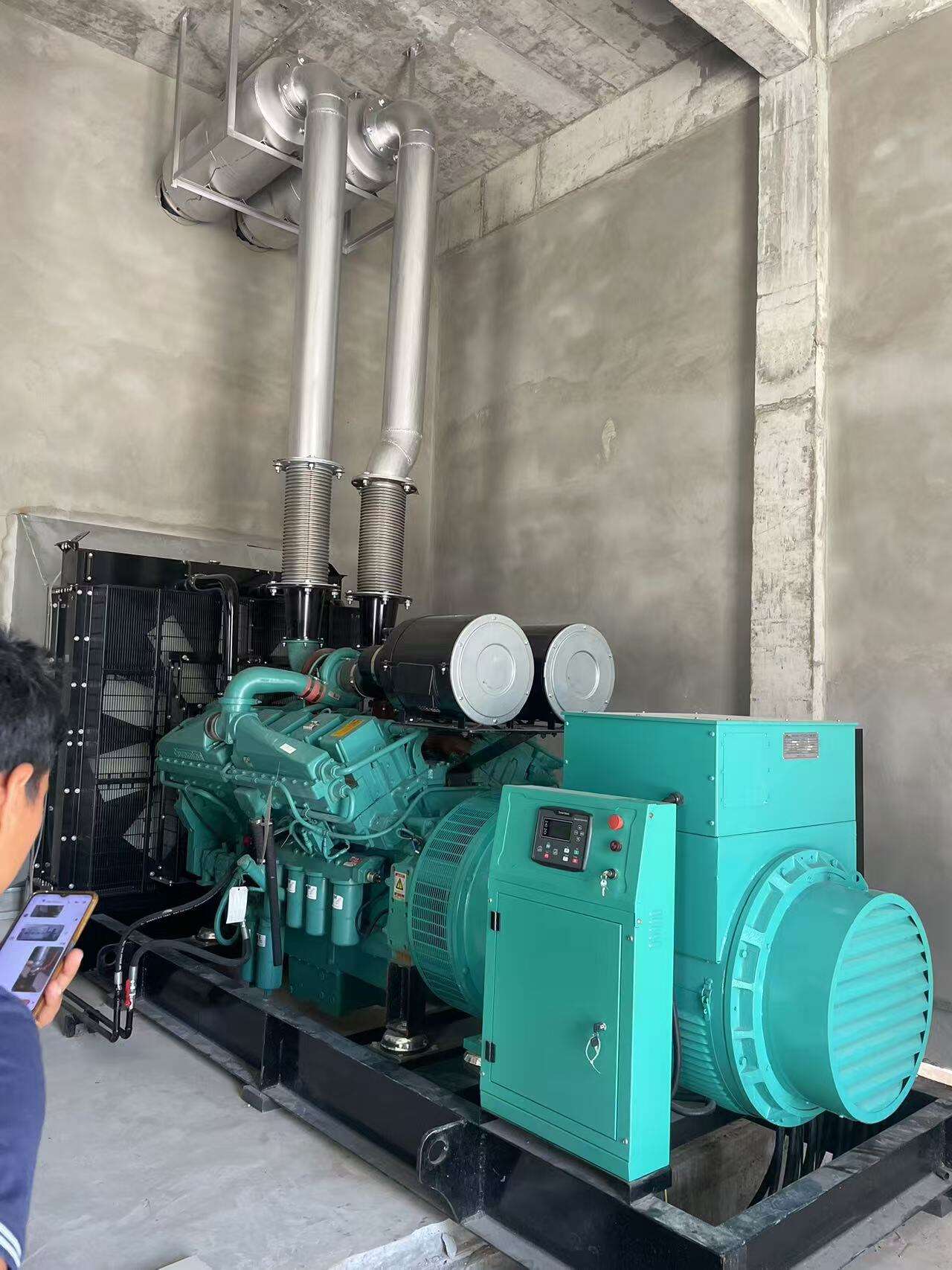
Industrial operations require reliable power solutions that can deliver consistent performance under demanding conditions. When evaluating power generation options for manufacturing facilities, construction sites, or emergency backup systems, understanding the key differences between various diesel generator set models becomes crucial for making informed purchasing decisions. The complexity of modern industrial applications demands careful consideration of multiple factors including power output, fuel efficiency, emission standards, and operational reliability.
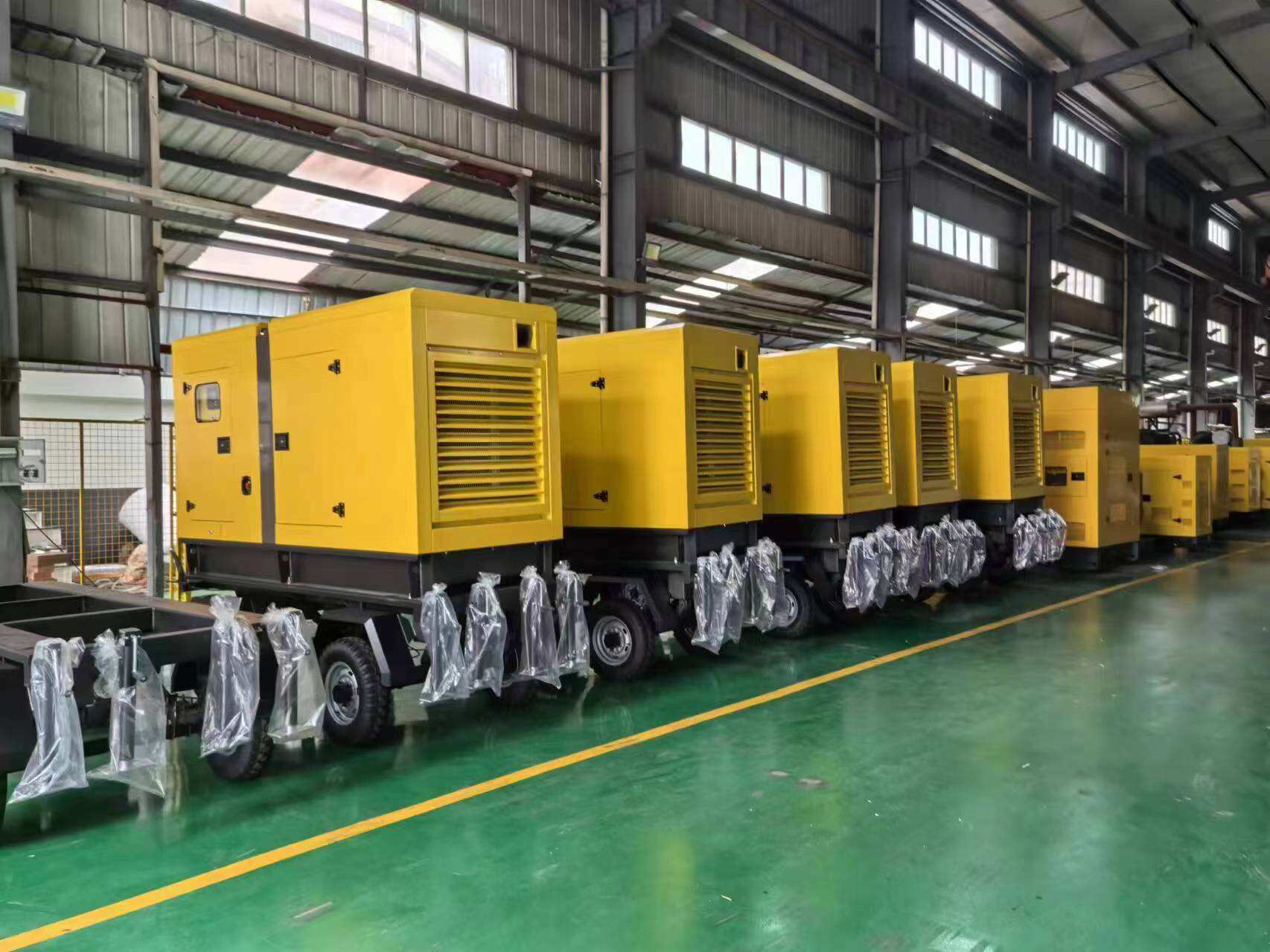
The selection process for industrial power generation equipment involves analyzing technical specifications, operational requirements, and long-term cost considerations. Different diesel generator set configurations offer varying advantages depending on specific application needs, environmental conditions, and regulatory compliance requirements. This comprehensive analysis examines the critical factors that distinguish high-performance models from standard alternatives in today's competitive market.
Engine Technology and Performance Specifications
Prime Power Output Capabilities
Industrial diesel generator set models vary significantly in their prime power output ratings, typically ranging from 50kVA to several megawatts for large-scale applications. Prime power represents the maximum continuous load that a generator can sustain for unlimited hours annually, with variable load factors not exceeding 70% of rated output. Understanding these ratings helps facility managers determine appropriate sizing for their specific power requirements while maintaining adequate reserve capacity for future expansion.
The relationship between prime and standby power ratings directly impacts operational flexibility and equipment longevity. Most industrial applications require prime power ratings that account for seasonal variations in electrical demand, equipment startup surges, and potential load growth over the system's operational lifetime. Comparing models based on their power density ratios reveals significant differences in overall efficiency and installation footprint requirements.
Engine Design and Fuel Efficiency
Modern diesel generator set engines incorporate advanced combustion technologies that optimize fuel consumption while meeting stringent emission standards. Turbocharged and intercooled engine designs provide superior power-to-weight ratios compared to naturally aspirated alternatives, resulting in reduced installation space requirements and improved fuel economy. Electronic fuel injection systems enable precise control over combustion parameters, enhancing both performance consistency and environmental compliance.
Fuel consumption rates vary considerably between different engine manufacturers and model configurations. High-efficiency models typically consume between 0.25 to 0.35 liters per kWh at rated load, while older or less sophisticated designs may require 0.40 liters per kWh or higher. These differences translate to substantial operational cost variations over the equipment's service life, particularly for applications requiring extended runtime periods or continuous operation.
Control Systems and Automation Features
Digital Control Panel Technology
Contemporary diesel generator set models incorporate sophisticated digital control systems that provide comprehensive monitoring, protection, and automation capabilities. Advanced control panels display real-time operating parameters including voltage, current, frequency, engine temperature, oil pressure, and fuel levels. These systems enable remote monitoring and control through ethernet connections, cellular modems, or satellite communication links for unmanned installations.
Programmable logic controllers integrated into modern control systems allow customization of operational sequences, alarm settings, and maintenance schedules. Automatic start and stop functions respond to utility power failures within seconds, ensuring seamless power transfer for critical applications. Load sharing capabilities enable multiple generator sets to operate in parallel, providing redundancy and improved fuel efficiency through optimized load distribution.
Protection and Safety Systems
Industrial diesel generator set models incorporate multiple protection systems to prevent equipment damage and ensure operator safety. Engine protection functions monitor critical parameters such as coolant temperature, oil pressure, overspeed conditions, and fuel system integrity. Electrical protection includes overcurrent, overvoltage, undervoltage, reverse power, and ground fault detection with configurable trip settings and time delays.
Emergency shutdown systems provide immediate equipment protection in response to dangerous operating conditions or manual intervention. These systems typically include both electrical and mechanical shutdown mechanisms to ensure reliable operation under all circumstances. Battery backup systems maintain control power during utility outages, enabling automatic startup and operation even when primary power sources are unavailable.
Installation and Environmental Considerations
Enclosure Options and Weather Protection
Diesel generator set models are available in various enclosure configurations designed to accommodate different installation environments and weather conditions. Open frame units provide maximum accessibility for maintenance while requiring separate housing structures for weather protection. Sound-attenuated enclosures reduce noise emissions for installations in noise-sensitive areas while maintaining weather resistance and security features.
Containerized generator sets offer complete turnkey solutions with integrated fuel tanks, control systems, and weather protection in standardized shipping container formats. These units facilitate rapid deployment and relocation while providing secure, vandal-resistant installations. Climate control systems within enclosures maintain optimal operating temperatures for electronic components and prevent condensation-related issues in humid environments.
Emission Control and Environmental Compliance
Modern industrial diesel generator set designs address increasingly stringent emission regulations through advanced aftertreatment systems and optimized combustion strategies. Tier 4 Final compliant engines incorporate diesel particulate filters, selective catalytic reduction systems, and diesel exhaust fluid injection to minimize nitrogen oxide and particulate matter emissions. These systems require careful consideration during model selection to ensure compatibility with local environmental regulations and permit requirements.
Fuel system design impacts both environmental compliance and operational reliability. Secondary containment systems prevent fuel spillage and groundwater contamination, while vapor recovery systems minimize hydrocarbon emissions during refueling operations. Biodiesel compatibility enables the use of renewable fuel sources, reducing overall carbon footprint while maintaining performance standards required for industrial applications.
Maintenance Requirements and Service Support
Scheduled Maintenance Intervals
Maintenance requirements vary significantly between different diesel generator set manufacturers and model configurations. Premium industrial models typically feature extended service intervals with oil change requirements every 500 to 750 hours of operation, depending on operating conditions and oil quality. Major overhaul intervals range from 15,000 to 30,000 hours for high-quality engines, with proper maintenance and operating practices significantly impacting overall equipment longevity.
Automated maintenance reminder systems integrated into modern control panels track operating hours and alert operators when service intervals approach. Predictive maintenance capabilities analyze operating data to identify potential issues before they result in equipment failures or unscheduled downtime. Remote diagnostic systems enable service technicians to assess equipment condition and prepare appropriate parts and tools before arriving at the installation site.
Parts Availability and Technical Support
Long-term operational success depends heavily on the availability of genuine replacement parts and qualified service technicians. Established manufacturers with extensive dealer networks typically provide superior parts availability and technical support compared to smaller or newer market entrants. Critical spare parts inventory recommendations help facility managers maintain adequate stock levels for essential components while minimizing inventory carrying costs.
Service agreement options range from basic warranty coverage to comprehensive maintenance contracts that include all scheduled service, emergency repairs, and parts replacement. Extended warranty programs protect against unexpected repair costs while ensuring access to factory-trained technicians and genuine replacement components. These agreements often include performance guarantees and priority service commitments for critical applications.
Cost Analysis and Return on Investment
Initial Purchase Price Considerations
Diesel generator set pricing varies considerably based on power rating, engine manufacturer, control system sophistication, and enclosure options. Premium brands with proven reliability records typically command higher initial prices but offer superior long-term value through reduced maintenance costs and extended equipment life. Cost-per-kW analysis provides a standardized comparison method for evaluating different models and manufacturers while accounting for varying power ratings and feature sets.
Financing options and lease arrangements can significantly impact the total cost of ownership for industrial power generation equipment. Some manufacturers offer attractive financing terms that reduce initial capital requirements while spreading costs over the equipment's useful life. Tax incentives and depreciation schedules should be considered when evaluating different procurement strategies and their impact on overall project economics.
Operational Cost Factors
Long-term operational costs typically exceed initial purchase prices for diesel generator set installations that operate regularly or provide critical backup power. Fuel consumption represents the largest ongoing expense for most applications, making fuel efficiency a critical selection criterion. Maintenance costs, including scheduled service, replacement parts, and unscheduled repairs, vary significantly between different manufacturers and model configurations.
Load factor optimization strategies can substantially reduce operational costs by matching generator capacity to actual power requirements. Oversized equipment operates at reduced efficiency levels, increasing fuel consumption and maintenance requirements. Multiple smaller units may provide better overall efficiency and redundancy compared to single large generators for applications with variable load profiles.
Application-Specific Selection Criteria
Standby Power Applications
Emergency backup power applications require diesel generator set models optimized for infrequent but critical operation. These systems must provide rapid response to utility power failures while maintaining high reliability during extended outages. Automatic transfer switches coordinate the transition between utility and generator power, ensuring seamless operation for critical loads such as life safety systems, data centers, and essential manufacturing processes.
Standby power systems typically operate at higher power ratings than prime power applications, allowing for reduced initial equipment costs while meeting peak load requirements. However, limited annual operating hours restrict these installations to specific duty cycles and environmental conditions. Proper sizing considers inrush currents from motor starting, power factor characteristics of connected loads, and ambient temperature effects on generator capacity.
Continuous Duty Industrial Applications
Industrial facilities requiring continuous power generation demand diesel generator set models designed for 24/7 operation with minimal downtime for maintenance. These applications prioritize fuel efficiency, emission compliance, and long service intervals to minimize operational disruptions. Parallel operation capabilities enable load sharing between multiple units, providing redundancy and improved overall system efficiency.
Remote industrial installations often rely on diesel generation as their primary power source, requiring robust equipment capable of operating in harsh environmental conditions with limited service support. Containerized systems provide complete power solutions with integrated fuel storage, control systems, and weather protection. Satellite communication systems enable remote monitoring and diagnostic capabilities for unmanned installations in remote locations.
FAQ
What factors determine the appropriate size for an industrial diesel generator set
Proper sizing requires careful analysis of connected loads including starting currents, power factor characteristics, and future expansion requirements. The total connected load should not exceed 80% of the generator's prime power rating to ensure adequate reserve capacity. Environmental factors such as altitude and ambient temperature also affect generator capacity and must be considered during the selection process. Professional load analysis by qualified engineers helps ensure optimal equipment sizing for specific applications.
How do maintenance costs compare between different diesel generator set manufacturers
Maintenance costs vary significantly based on engine design, component quality, and manufacturer support infrastructure. Premium manufacturers typically offer longer service intervals and better parts availability, resulting in lower long-term maintenance costs despite higher initial purchase prices. Comprehensive maintenance agreements can provide predictable service costs while ensuring access to qualified technicians and genuine replacement parts. Facility managers should evaluate total cost of ownership rather than focusing solely on initial equipment pricing.
What emission standards apply to industrial diesel generator installations
Emission requirements depend on generator size, installation location, and local regulatory authorities. EPA Tier 4 Final standards apply to most new industrial installations, requiring advanced aftertreatment systems and low-sulfur diesel fuel. State and local regulations may impose additional requirements for air quality permits, emission testing, and operational restrictions. Early consultation with regulatory authorities helps ensure compliance and avoid potential permit delays or operational limitations.
How does fuel quality affect diesel generator set performance and reliability
Fuel quality directly impacts engine performance, maintenance requirements, and equipment longevity. Ultra-low sulfur diesel fuel is required for modern emission control systems and provides improved combustion characteristics. Fuel additives can enhance storage stability, prevent microbial growth, and improve cold weather performance. Regular fuel testing and filtration systems help maintain fuel quality during long-term storage, particularly important for standby power applications with infrequent operation.
Table of Contents
- Engine Technology and Performance Specifications
- Control Systems and Automation Features
- Installation and Environmental Considerations
- Maintenance Requirements and Service Support
- Cost Analysis and Return on Investment
- Application-Specific Selection Criteria
-
FAQ
- What factors determine the appropriate size for an industrial diesel generator set
- How do maintenance costs compare between different diesel generator set manufacturers
- What emission standards apply to industrial diesel generator installations
- How does fuel quality affect diesel generator set performance and reliability