
 EN
EN
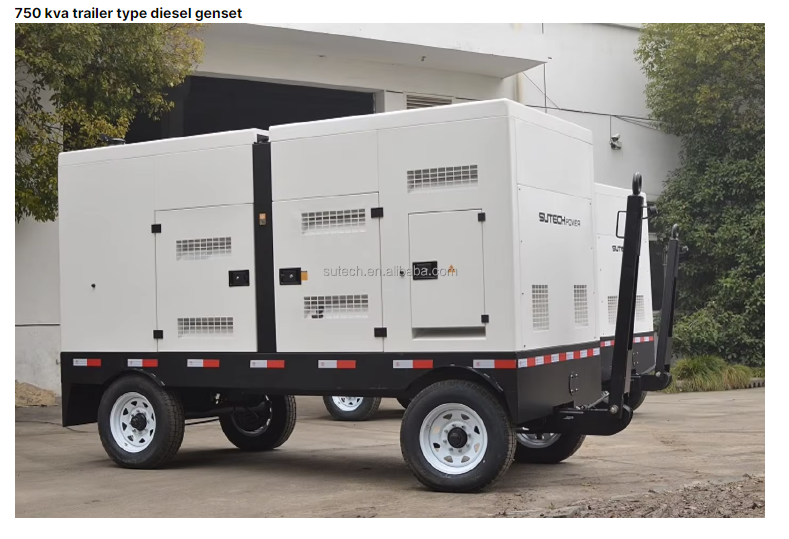
The power generation landscape continues to evolve rapidly as we enter 2025, driven by technological innovations, regulatory changes, and growing demand for reliable energy solutions. Industry experts are witnessing unprecedented shifts in how organizations approach their energy infrastructure, with particular emphasis on efficiency, sustainability, and resilience. Modern power generation systems must balance environmental considerations with operational demands, creating new opportunities for businesses across various sectors. Understanding these emerging trends is crucial for organizations planning their energy strategies and infrastructure investments in the coming years.
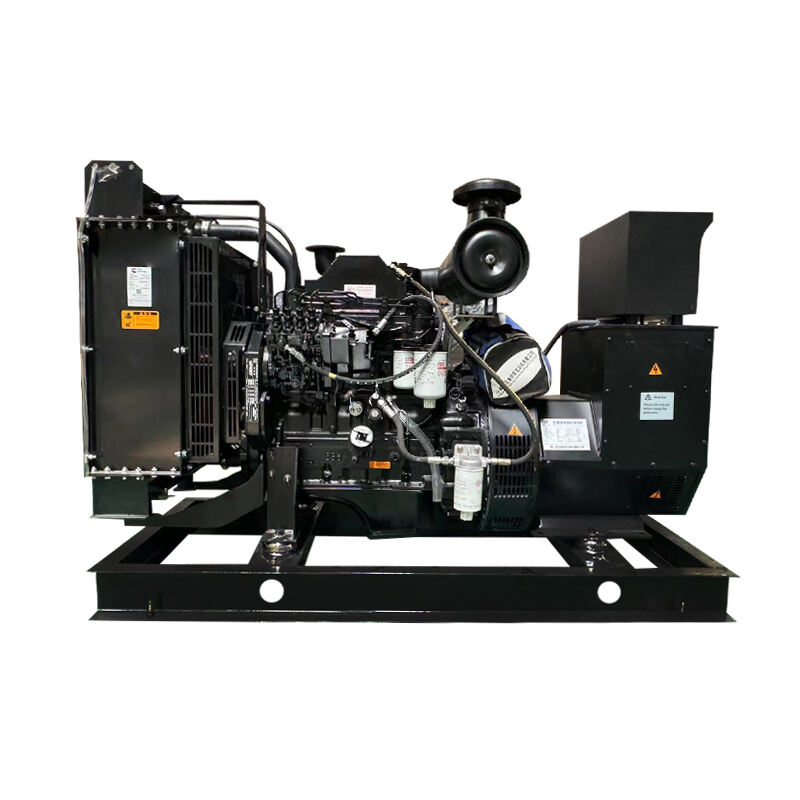
Emerging Technologies Reshaping Energy Infrastructure
Advanced Generator Technologies
Next-generation generator systems are incorporating sophisticated control mechanisms that optimize fuel consumption and reduce emissions without compromising performance. These advanced units feature intelligent monitoring systems that adjust operational parameters in real-time, ensuring maximum efficiency across varying load conditions. Manufacturers are integrating cutting-edge engine technologies that meet stringent environmental standards while delivering superior reliability. The integration of digital control panels allows operators to monitor performance metrics remotely, enabling predictive maintenance strategies that minimize downtime.
Modern generator designs prioritize modular construction, allowing for easier maintenance and component replacement. This approach significantly reduces operational costs and extends equipment lifespan. Advanced cooling systems and improved acoustic enclosures ensure that contemporary generators operate quietly and efficiently in various environmental conditions. The emphasis on user-friendly interfaces makes these systems accessible to operators with varying levels of technical expertise.
Smart Grid Integration Capabilities
The convergence of traditional power generation systems with smart grid technologies is creating unprecedented opportunities for energy optimization. Modern generators now feature sophisticated communication protocols that enable seamless integration with building management systems and utility networks. These capabilities allow for automated load shedding, peak shaving, and demand response participation, maximizing economic benefits for facility operators.
Real-time data analytics platforms provide comprehensive insights into energy consumption patterns, enabling organizations to optimize their generation strategies. Advanced algorithms can predict energy demands and automatically adjust generator output to minimize fuel consumption while maintaining service reliability. The integration of IoT sensors throughout generation systems provides granular visibility into equipment performance and environmental conditions.
Sustainability and Environmental Considerations
Low-Emission Engine Technologies
Environmental regulations continue to drive innovation in engine design, with manufacturers developing cleaner-burning technologies that significantly reduce harmful emissions. Modern diesel engines incorporate advanced aftertreatment systems, including selective catalytic reduction and diesel particulate filters, achieving near-zero emissions in many applications. These technologies enable power generation systems to operate in environmentally sensitive areas while meeting strict regulatory requirements.
The development of alternative fuel capabilities is expanding operational flexibility for organizations seeking to reduce their carbon footprint. Engines designed for biodiesel, natural gas, and synthetic fuels provide viable alternatives to traditional diesel power generation. Hybrid systems combining renewable energy sources with conventional generators offer enhanced sustainability while maintaining operational reliability. The integration of energy storage systems allows for optimized fuel consumption and reduced generator runtime.
Noise Reduction and Community Impact
Acoustic engineering has become a critical consideration in modern power generation design, with manufacturers developing innovative sound attenuation technologies. Advanced enclosure designs utilize multi-layer acoustic barriers and strategically placed sound-absorbing materials to minimize operational noise. These improvements enable power generation systems to operate in urban environments and noise-sensitive applications without disturbing surrounding communities.
Vibration isolation systems prevent mechanical noise transmission through building structures, further reducing the overall acoustic footprint of generator installations. Intelligent scheduling systems can optimize generator operation during acceptable noise periods, balancing operational requirements with community considerations. Remote monitoring capabilities allow operators to adjust operational parameters to minimize acoustic impact while maintaining adequate power supply.
Market Applications and Industry Adoption
Healthcare and Critical Infrastructure
Healthcare facilities are increasingly relying on advanced power generation solutions to ensure uninterrupted operation of life-critical systems. Modern medical equipment requires clean, stable power that traditional generators may struggle to provide consistently. Advanced power generation systems incorporate sophisticated voltage regulation and harmonic filtering to protect sensitive medical devices. The integration of automatic transfer switches ensures seamless transitions between utility and generator power without disrupting patient care.
Data centers and telecommunications facilities represent another critical application area where power generation reliability directly impacts business continuity. These facilities require redundant power systems with rapid startup capabilities and extended runtime capacity. Modern generators designed for these applications feature enhanced cooling systems and robust construction to support continuous operation under demanding conditions. Load bank testing capabilities ensure that backup systems remain ready for immediate deployment when needed.
Industrial and Manufacturing Sectors
Manufacturing operations are adopting distributed power generation strategies to enhance energy security and reduce utility costs. Advanced generators provide load support during peak demand periods, helping facilities avoid expensive demand charges while maintaining production schedules. Cogeneration systems capture waste heat from power generation processes, improving overall energy efficiency and reducing operational costs. The flexibility to operate independently from the utility grid provides manufacturing facilities with enhanced operational resilience.
Process industries with continuous operations require power generation systems capable of supporting varying load profiles throughout production cycles. Modern generators incorporate load management systems that automatically adjust output to match real-time demand, optimizing fuel efficiency and reducing wear on equipment components. Predictive maintenance capabilities minimize unplanned downtime by identifying potential issues before they impact production operations.
Economic Benefits and Cost Optimization
Total Cost of Ownership Considerations
Organizations are increasingly evaluating power generation investments based on comprehensive lifecycle cost analysis rather than initial purchase price alone. Modern generators offer improved fuel efficiency that significantly reduces operating costs over the equipment lifespan. Extended service intervals and enhanced component durability minimize maintenance requirements and associated labor costs. The availability of comprehensive service packages provides predictable maintenance costs and ensures optimal equipment performance.
Advanced monitoring systems enable condition-based maintenance strategies that optimize service scheduling based on actual equipment condition rather than predetermined intervals. This approach reduces unnecessary maintenance while preventing unexpected failures that could result in costly downtime. Remote diagnostics capabilities allow service technicians to identify issues and prepare appropriate solutions before arriving on-site, minimizing service time and costs.
Financial Incentives and Regulatory Benefits
Various government incentives and utility programs provide financial benefits for organizations investing in efficient power generation technologies. Tax credits and rebates for energy-efficient equipment can significantly reduce the effective cost of generator installations. Participation in demand response programs allows facilities to generate revenue by providing grid support services during peak demand periods. Carbon credit programs may provide additional revenue streams for organizations implementing clean power generation technologies.
Regulatory compliance benefits include simplified permitting processes for generators meeting specific emission standards and noise requirements. Environmental regulations increasingly favor clean-burning technologies, making advanced generators a strategic investment for long-term compliance. The ability to demonstrate environmental responsibility through clean power generation can enhance corporate sustainability profiles and stakeholder relationships.
Installation and Maintenance Best Practices
Site Preparation and Infrastructure Requirements
Proper site preparation is essential for optimal generator performance and longevity, requiring careful consideration of environmental factors and accessibility requirements. Foundation design must account for equipment weight, vibration isolation, and local soil conditions to ensure stable operation. Adequate clearances for cooling airflow and maintenance access prevent operational issues and enable efficient service procedures. Fuel storage and delivery systems require careful planning to ensure adequate capacity while meeting safety and environmental regulations.
Electrical infrastructure must be sized appropriately to handle generator output while providing necessary protection and control capabilities. Automatic transfer switch selection requires careful consideration of load characteristics and switching time requirements. Paralleling systems enable multiple generators to operate together, providing enhanced capacity and redundancy for critical applications. Proper grounding and bonding ensure electrical safety and optimal generator performance.
Preventive Maintenance Strategies
Comprehensive maintenance programs are essential for ensuring reliable generator operation and maximizing equipment lifespan. Regular inspection schedules should address all critical systems including engines, alternators, control panels, and cooling systems. Fluid analysis programs provide early warning of potential issues by monitoring oil, coolant, and fuel quality parameters. Load bank testing verifies generator capacity and identifies potential problems under controlled conditions.
Training programs for facility maintenance staff ensure that routine inspections and minor maintenance tasks are performed correctly and safely. Documentation systems track maintenance activities and equipment performance trends, enabling data-driven maintenance decisions. Emergency response procedures ensure that maintenance issues are addressed quickly to minimize downtime and maintain operational continuity.
FAQ
What factors should organizations consider when selecting modern power generation equipment
Organizations should evaluate their specific power requirements, including load capacity, runtime duration, and power quality needs. Environmental considerations such as emission requirements, noise restrictions, and available space influence equipment selection. Total cost of ownership analysis should include purchase price, installation costs, fuel consumption, maintenance requirements, and expected lifespan. Regulatory compliance requirements and available incentives may also impact the selection process.
How do advanced generators integrate with existing facility infrastructure
Modern generators feature sophisticated control systems that enable seamless integration with building management systems and utility connections. Automatic transfer switches provide seamless transitions between utility and generator power without disrupting facility operations. Communication protocols allow generators to interface with existing monitoring and control systems. Professional installation ensures proper electrical connections, safety systems, and regulatory compliance.
What maintenance requirements should facilities expect with modern power generation systems
Contemporary generators require routine maintenance including regular oil changes, filter replacements, and cooling system service according to manufacturer specifications. Advanced monitoring systems provide alerts for maintenance needs and potential issues before they become critical. Load testing should be performed periodically to verify generator capacity and identify potential problems. Professional service programs can provide comprehensive maintenance support and ensure optimal equipment performance.
How do environmental regulations impact power generation equipment selection
Current environmental regulations establish emission limits for various pollutants, requiring generators to incorporate advanced emission control technologies. Noise ordinances may restrict generator operation in certain areas or during specific hours, necessitating acoustic enclosures or operational limitations. Fuel storage regulations affect installation requirements and ongoing compliance obligations. Future regulatory changes should be considered when making long-term equipment investments to ensure continued compliance and operational flexibility.
Table of Contents
- Emerging Technologies Reshaping Energy Infrastructure
- Sustainability and Environmental Considerations
- Market Applications and Industry Adoption
- Economic Benefits and Cost Optimization
- Installation and Maintenance Best Practices
-
FAQ
- What factors should organizations consider when selecting modern power generation equipment
- How do advanced generators integrate with existing facility infrastructure
- What maintenance requirements should facilities expect with modern power generation systems
- How do environmental regulations impact power generation equipment selection