 EN
EN

Industrial facilities and commercial operations worldwide rely heavily on dependable backup power solutions to maintain critical operations during outages. Among the most trusted names in the generator industry, Perkins engines have established themselves as robust powerhouses that deliver consistent performance across diverse applications. However, like any mechanical equipment, these units can experience occasional issues that require prompt attention and proper troubleshooting techniques to restore optimal functionality.
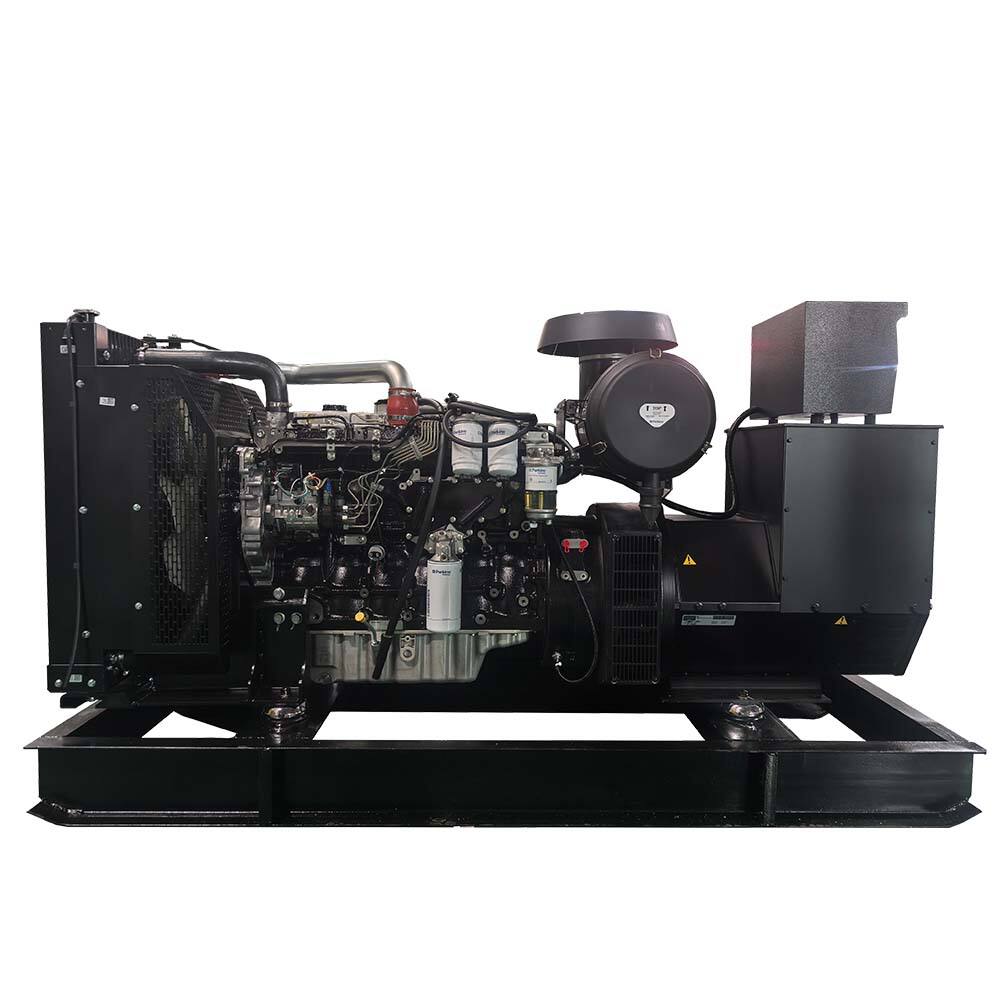
Understanding common operational challenges and implementing effective solutions can significantly extend equipment lifespan while reducing costly downtime. Professional maintenance teams and facility managers benefit from comprehensive knowledge about potential mechanical failures, electrical malfunctions, and performance degradation patterns that may affect generator reliability. This systematic approach to problem identification and resolution ensures that backup power systems remain ready to perform when needed most.
Engine Starting and Operational Issues
Fuel System Complications
Fuel-related problems represent one of the most frequent causes of generator malfunction, particularly in units that experience infrequent operation or prolonged storage periods. Contaminated fuel supplies can introduce water, debris, or microbial growth into the system, creating blockages within fuel injectors and compromising combustion efficiency. Regular fuel quality testing and filtration system maintenance help prevent these issues from developing into major operational disruptions.
Fuel pump failures often manifest as difficulty starting or irregular engine performance during operation. These mechanical components endure significant stress during each startup cycle and may require replacement after extended service intervals. Implementing scheduled inspection protocols allows maintenance teams to identify worn fuel pump components before they cause complete system failure, ensuring uninterrupted power availability during critical periods.
Battery and Starting Circuit Problems
Starting battery deterioration commonly affects generator reliability, especially in environments with extreme temperature variations or irregular maintenance schedules. Corroded battery terminals, insufficient electrolyte levels, and reduced capacity can prevent successful engine startup when power restoration becomes essential. Establishing routine battery testing procedures and maintaining proper terminal connections significantly reduces the likelihood of starting failures during emergency situations.
Starter motor malfunctions may produce clicking sounds without engine cranking or complete electrical silence during attempted startup. These symptoms typically indicate worn solenoid contacts, damaged starter windings, or inadequate electrical supply reaching the starting circuit. Professional diagnostic testing can isolate the specific component requiring attention and guide appropriate repair strategies to restore full starting capability.
Cooling System Maintenance and Troubleshooting
Radiator and Heat Exchange Efficiency
Overheating conditions pose serious threats to engine longevity and can result from various cooling system deficiencies that develop gradually over time. Blocked radiator cores, failed thermostats, and inadequate coolant circulation patterns reduce heat dissipation capacity and may cause automatic shutdown protection systems to engage during normal operation. Regular cleaning of external cooling surfaces and internal coolant system flushing prevents debris accumulation that impairs thermal management.
Coolant leaks often develop at hose connections, gasket interfaces, and radiator seams due to thermal cycling stresses and age-related material degradation. Early detection through visual inspection and pressure testing allows maintenance teams to address minor leaks before they progress into major coolant loss situations. Maintaining proper coolant mixture ratios and replacement intervals ensures optimal corrosion protection and heat transfer characteristics throughout the cooling circuit.
Water Pump and Circulation Components
Water pump bearing wear and impeller damage can significantly reduce coolant flow rates, leading to localized hot spots and uneven temperature distribution throughout the engine block. Unusual noise patterns, coolant weepage around the pump housing, and elevated operating temperatures often indicate developing water pump problems that require immediate attention. Replacement timing becomes critical to prevent catastrophic overheating damage to expensive engine components.
Thermostat malfunctions may cause engines to operate at suboptimal temperatures, affecting fuel efficiency and emissions performance while potentially causing long-term wear patterns. Stuck-open thermostats prevent engines from reaching proper operating temperatures, while stuck-closed units can cause rapid overheating conditions. Testing thermostat operation and replacement according to manufacturer specifications maintains proper temperature regulation and extends overall engine service life.
Electrical System Diagnostics and Repair
Alternator and Charging Circuit Issues
Alternator problems frequently manifest as fluctuating voltage output, reduced charging capacity, or complete electrical generation failure during operation. Worn carbon brushes, damaged slip rings, and faulty voltage regulators can compromise electrical system performance and affect connected equipment operation. Regular alternator testing and brush inspection schedules help identify deteriorating components before they cause complete charging system failure.
Voltage regulation instabilities may damage sensitive electronic equipment and create operational hazards for connected loads. Automatic voltage regulator calibration and replacement procedures restore stable electrical output characteristics essential for reliable equipment protection. Understanding proper testing methodologies and adjustment procedures enables maintenance personnel to maintain consistent electrical quality throughout varying load conditions.
Control Panel and Monitoring System Functionality
Modern perkins generator systems incorporate sophisticated control panels that monitor multiple operational parameters and provide automatic protection features. Display malfunctions, sensor failures, and communication errors can prevent proper system monitoring and may disable critical safety functions. Regular calibration procedures and sensor replacement protocols maintain accurate monitoring capabilities and ensure reliable automatic operation during power outages.
Wiring harness deterioration and connection loosening commonly affect control circuit reliability, particularly in high-vibration environments or installations exposed to temperature extremes. Systematic inspection of electrical connections, wire insulation integrity, and terminal tightness prevents intermittent faults that can cause unpredictable operational behavior. Proper cable routing and strain relief installation techniques minimize long-term wiring problems and maintain consistent control system performance.
Oil System Management and Lubrication Requirements
Oil Pressure and Circulation Monitoring
Adequate oil pressure maintenance becomes essential for protecting internal engine components from premature wear and catastrophic failure conditions. Low oil pressure warnings typically indicate worn oil pump components, clogged oil filters, or insufficient oil levels that require immediate corrective action. Establishing regular oil level checking procedures and pressure monitoring protocols helps identify developing problems before they cause expensive engine damage.
Oil contamination issues may result from fuel dilution, coolant leaks, or excessive operating temperatures that break down lubricant properties over time. Regular oil analysis testing provides valuable insights into engine internal condition and helps determine optimal oil change intervals based on actual contamination levels rather than arbitrary time schedules. This data-driven approach to maintenance scheduling maximizes engine protection while optimizing operating costs.
Filter Replacement and Oil Quality Standards
Oil filter bypass conditions can occur when filters become completely blocked with contaminants, allowing unfiltered oil to circulate through engine components. This situation accelerates wear rates and may cause rapid engine deterioration if not addressed promptly. Understanding proper filter selection criteria and replacement timing ensures continuous filtration effectiveness throughout service intervals.
Synthetic versus conventional oil selection depends on operating conditions, ambient temperatures, and manufacturer specifications that affect lubrication performance characteristics. High-quality synthetic lubricants often provide extended service intervals and superior protection under extreme operating conditions, while conventional oils may offer adequate protection for standard applications at lower initial costs. Consulting manufacturer recommendations and considering specific operating environments guides appropriate lubricant selection decisions.
Air Intake and Exhaust System Optimization
Air Filter Maintenance and Replacement
Restricted air intake conditions reduce engine performance and fuel efficiency while potentially causing increased emissions and operational problems. Dirty air filters create higher intake vacuum levels that may affect turbocharger operation and combustion quality in modern diesel engines. Implementing regular air filter inspection schedules and establishing replacement criteria based on pressure differential measurements maintains optimal air flow characteristics.
Pre-cleaner systems and intake ducting require periodic cleaning to prevent debris accumulation that reduces overall air filtration effectiveness. Damaged intake components may allow unfiltered air to bypass filtration systems, introducing contaminants directly into engine cylinders and accelerating internal wear patterns. Proper installation techniques and regular inspection protocols ensure maximum filtration efficiency and extended engine service life.
Exhaust System Performance and Emissions
Exhaust back pressure restrictions can significantly impact engine performance and may cause increased operating temperatures that affect component longevity. Blocked exhaust silencers, collapsed internal baffles, and restricted exhaust ducting create excessive back pressure conditions that reduce power output and fuel efficiency. Regular exhaust system inspection and cleaning procedures maintain proper exhaust flow characteristics and optimal engine performance levels.
Emissions compliance requirements may necessitate periodic testing and adjustment procedures to maintain regulatory compliance in various jurisdictions. Understanding applicable emissions standards and implementing appropriate testing protocols ensures continued legal operation while identifying potential engine problems that affect emissions performance. Proper maintenance of emissions control systems protects both environmental compliance and long-term engine reliability.
Preventive Maintenance Strategies
Scheduled Inspection Protocols
Comprehensive inspection schedules should address all critical system components according to manufacturer recommendations and operating environment considerations. Daily, weekly, monthly, and annual inspection items ensure systematic attention to potential problem areas before they develop into major failures. Documenting inspection results and trending performance parameters helps identify gradual degradation patterns that may require proactive maintenance intervention.
Load bank testing procedures verify generator capacity and performance characteristics under controlled conditions that simulate actual operating requirements. Regular load testing identifies developing problems with alternators, voltage regulation, and engine performance that may not be apparent during no-load operation. Establishing appropriate load testing frequencies and documentation procedures maintains confidence in backup power system reliability.
Environmental Protection and Storage Considerations
Weather protection systems prevent moisture ingress and corrosion that can affect electrical components and mechanical systems during extended storage periods. Proper ventilation, heating systems, and moisture control measures maintain optimal storage conditions that preserve equipment condition between operational periods. Understanding climate-specific protection requirements helps extend equipment service life in challenging environmental conditions.
Fuel preservation additives and tank maintenance procedures prevent fuel degradation and contamination during extended storage periods common in emergency backup applications. Regular fuel sampling, additive treatment, and tank cleaning schedules ensure fuel quality remains acceptable for reliable engine operation when backup power becomes necessary. Implementing proper fuel management protocols reduces the likelihood of fuel-related operational problems during critical power outage situations.
FAQ
What causes a Perkins generator to fail to start during an emergency
Starting failures typically result from battery problems, fuel system issues, or control circuit malfunctions that develop during extended standby periods. Dead or weak batteries represent the most common cause, followed by fuel contamination, clogged filters, or corroded electrical connections. Regular testing and maintenance of these critical systems prevents most emergency starting failures and ensures reliable backup power availability when needed.
How often should oil changes be performed on standby generators
Oil change intervals depend on operating hours, environmental conditions, and manufacturer specifications, but standby units typically require service every 100-200 hours of operation or annually, whichever occurs first. Regular oil analysis testing can extend intervals safely while monitoring engine condition, but emergency backup applications often benefit from conservative maintenance schedules due to infrequent operation and critical reliability requirements.
Why does my generator overheat even with adequate coolant levels
Overheating with proper coolant levels usually indicates problems with circulation, heat exchange efficiency, or thermostat operation that require systematic diagnosis. Blocked radiator cores, failed water pumps, stuck thermostats, or inadequate airflow across cooling surfaces commonly cause these symptoms. Professional diagnosis can identify the specific cause and guide appropriate repair procedures to restore proper temperature regulation.
What maintenance tasks can facility staff perform versus requiring professional service
Facility personnel can typically handle visual inspections, fluid level checks, battery terminal cleaning, and basic filter replacements with proper training and safety procedures. However, engine repairs, electrical system diagnostics, control panel programming, and major component replacement should be performed by qualified technicians with appropriate tools and expertise. Establishing clear maintenance responsibility boundaries ensures proper care while maintaining safety standards and warranty compliance.