
 EN
EN

Industrial operations across various sectors rely heavily on consistent and reliable power generation to maintain productivity and operational efficiency. Among the leading manufacturers in the power generation industry, Perkins has established itself as a trusted name, delivering high-performance diesel engines that power generators worldwide. A perkins generator represents the pinnacle of industrial power solutions, combining robust engineering with fuel efficiency and exceptional durability. These generators are specifically designed to meet the demanding requirements of industrial applications, from manufacturing facilities to construction sites, mining operations, and critical infrastructure projects.
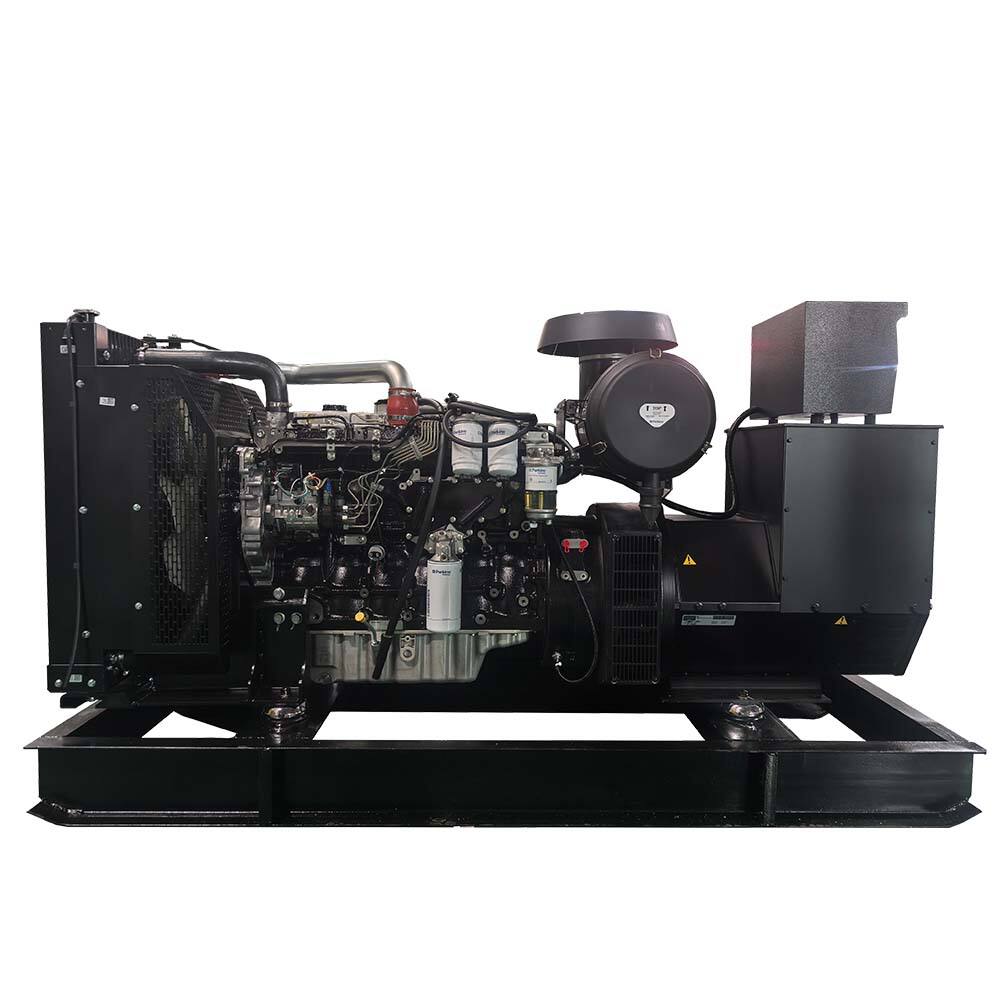
Understanding Perkins Generator Technology
Advanced Engine Design and Performance
Perkins engines incorporate cutting-edge technology that sets them apart from conventional power generation solutions. The company's commitment to innovation has resulted in engines that deliver superior performance while maintaining exceptional fuel efficiency. Modern perkins generator units feature advanced combustion systems, precision fuel injection, and optimized air management systems that work together to maximize power output while minimizing emissions and operating costs.
The engineering excellence behind these generators extends to their robust construction and materials selection. Perkins utilizes high-grade steel and aluminum alloys in critical engine components, ensuring long-term durability even under the most challenging operating conditions. This attention to detail in manufacturing translates to generators that can operate continuously for thousands of hours with minimal maintenance requirements, making them ideal for industrial applications where downtime is costly.
Fuel Efficiency and Environmental Considerations
Environmental responsibility has become increasingly important in industrial operations, and Perkins has responded by developing generators that meet stringent emission standards without compromising performance. These generators incorporate advanced emission control technologies, including selective catalytic reduction systems and diesel particulate filters, ensuring compliance with international environmental regulations while maintaining optimal fuel consumption rates.
The fuel efficiency of a modern perkins generator can result in significant cost savings over the unit's operational lifetime. Advanced fuel management systems monitor and optimize combustion parameters in real-time, adjusting injection timing and fuel delivery to maintain peak efficiency across varying load conditions. This intelligent approach to fuel management not only reduces operating costs but also extends service intervals and reduces maintenance requirements.
Top Perkins Generator Models for Industrial Applications
200kVA Generator with Perkins Engine
The perkins generator in the 200kVA range represents an excellent balance of power output and operational efficiency for medium-scale industrial applications. This generator model typically features a Perkins 1106 series engine, known for its reliability and fuel efficiency. The 200kVA configuration is particularly well-suited for manufacturing facilities, commercial buildings, and construction sites that require dependable backup power or primary power generation in remote locations.
These generators incorporate advanced control systems that provide comprehensive monitoring and protection features. Digital control panels display real-time operating parameters, including engine temperature, oil pressure, fuel levels, and electrical output measurements. Automatic start and stop capabilities ensure seamless operation during power outages, while built-in protection systems safeguard the generator from potential damage due to overloading, overheating, or low oil pressure conditions.
350kVA Industrial Power Solution
For larger industrial operations requiring substantial power capacity, the 350kVA perkins generator models offer exceptional performance and reliability. These units typically utilize Perkins 2206 series engines, which are specifically designed for continuous duty applications. The increased power output makes these generators suitable for large manufacturing plants, data centers, hospitals, and other critical facilities where power interruption could result in significant operational or financial losses.
The 350kVA models feature enhanced cooling systems and larger fuel tanks to support extended operation periods. Advanced alternator technology ensures stable voltage regulation and excellent load acceptance characteristics, making these generators capable of handling varying electrical loads without compromising power quality. Integrated paralleling capabilities allow multiple units to be synchronized for even greater power capacity when required.
500kVA Heavy-Duty Generator
The 500kVA range represents the upper tier of standard industrial perkins generator offerings, providing substantial power capacity for the most demanding applications. These generators typically feature Perkins 2506 series engines, which are renowned for their durability and performance in continuous duty applications. The robust construction and advanced engineering of these units make them suitable for prime power applications in remote locations or as emergency backup power for critical infrastructure.
These high-capacity generators incorporate sophisticated load management systems that optimize performance across varying demand conditions. Variable speed operation capabilities allow the engine to adjust its operating speed based on electrical load requirements, resulting in improved fuel efficiency and reduced wear during low-load periods. Advanced diagnostic systems provide comprehensive monitoring and predictive maintenance capabilities, helping operators maximize uptime and minimize operational costs.
Installation and Maintenance Considerations
Proper Installation Requirements
Successful deployment of a perkins generator requires careful attention to installation requirements and site preparation. Proper foundation design is crucial for ensuring stable operation and minimizing vibration transmission to surrounding structures. The foundation must be designed to handle the generator's weight and operating loads while providing adequate support for the entire assembly, including the engine, alternator, and control systems.
Ventilation and cooling air supply are critical factors that must be addressed during installation planning. Perkins generators require adequate airflow for engine cooling and combustion air supply, necessitating properly sized ventilation openings and, in many cases, mechanical ventilation systems. Fuel supply systems must be designed to ensure reliable fuel delivery while meeting local safety codes and environmental regulations regarding fuel storage and handling.
Maintenance Programs and Service Support
Regular maintenance is essential for ensuring optimal performance and longevity of any perkins generator installation. Perkins provides comprehensive maintenance guidelines and service support through authorized dealers and service centers worldwide. Preventive maintenance programs typically include regular oil and filter changes, cooling system servicing, fuel system maintenance, and periodic load testing to verify proper operation.
Modern diagnostic capabilities built into these generators enable predictive maintenance strategies that help identify potential issues before they result in equipment failure. Remote monitoring systems can provide real-time status updates and maintenance alerts, allowing facility managers to schedule service activities proactively. This approach to maintenance management helps minimize unexpected downtime while optimizing maintenance costs and extending equipment life.
Applications and Industry Use Cases
Manufacturing and Industrial Facilities
Manufacturing operations depend heavily on consistent power supply to maintain production schedules and product quality. A perkins generator serves as a critical backup power source that can automatically start and assume electrical loads within seconds of a utility power failure. This rapid response capability is essential for protecting sensitive manufacturing processes and preventing costly production interruptions that could result from power outages.
In many industrial applications, generators also serve as primary power sources, particularly in remote locations where utility power is unreliable or unavailable. Mining operations, oil and gas facilities, and construction sites frequently rely on generator power for their daily operations. The durability and reliability of Perkins engines make them particularly well-suited for these demanding applications where equipment failure could result in significant operational disruptions.
Critical Infrastructure and Emergency Services
Hospitals, data centers, telecommunications facilities, and other critical infrastructure applications require highly reliable backup power systems to maintain operations during utility power outages. These applications often specify perkins generator systems due to their proven reliability and ability to provide stable power output over extended periods. Emergency services, including fire stations, police facilities, and emergency communications centers, also depend on these generators to maintain operational capability during power emergencies.
The automatic operation capabilities of modern Perkins generators make them particularly valuable in critical applications where immediate power restoration is essential. Advanced control systems can detect utility power failures within milliseconds and initiate generator startup sequences automatically, ensuring minimal interruption to critical operations. Load shedding capabilities allow these systems to prioritize essential loads during extended outages, maximizing operational time on available fuel supplies.
Economic Benefits and Return on Investment
Cost Analysis and Operational Savings
Investing in a quality perkins generator system provides significant economic benefits that extend well beyond the initial purchase price. The fuel efficiency of these generators translates to lower operating costs compared to less efficient alternatives, particularly important for applications requiring frequent or extended operation. Reduced maintenance requirements due to robust construction and quality components result in lower lifecycle costs and improved return on investment.
The reliability of Perkins generators also contributes to their economic value by minimizing the risk of costly downtime. In industrial applications where production interruptions can cost thousands of dollars per hour, the investment in reliable backup power generation is quickly justified. Additionally, many facilities find that having dependable backup power allows them to negotiate better electricity rates with utility providers, as they are less dependent on grid reliability.
Long-term Value and Asset Protection
Perkins generators are designed for long service life, often operating reliably for decades with proper maintenance. This longevity makes them valuable long-term assets that retain their operational capabilities well beyond the initial investment recovery period. The widespread availability of Perkins parts and service support ensures that these generators can be maintained cost-effectively throughout their operational life.
Quality power generation equipment also contributes to protecting other electrical equipment and systems within a facility. Clean, stable power output from a well-maintained perkins generator helps prevent damage to sensitive electronic equipment that could occur during utility power fluctuations or outages. This protective capability adds additional economic value by reducing the risk of costly equipment repairs or replacements.
FAQ
What makes Perkins generators suitable for industrial applications
Perkins generators are specifically engineered for industrial use with robust construction, advanced fuel injection systems, and proven reliability in demanding environments. They feature heavy-duty components designed for continuous operation, advanced control systems for automated operation, and comprehensive monitoring capabilities. The combination of fuel efficiency, low maintenance requirements, and exceptional durability makes them ideal for industrial applications where reliability is critical.
How often should a Perkins generator be serviced
Service intervals for Perkins generators depend on operating conditions and usage patterns, but typical maintenance schedules include oil and filter changes every 250-500 operating hours, cooling system service annually, and comprehensive inspections every 1000-2000 hours. Standby generators used only for emergency backup may require less frequent service, while units in continuous operation require more frequent attention. Following manufacturer recommendations and monitoring operating conditions helps determine optimal service intervals.
What power capacity options are available in Perkins generators
Perkins generators are available in a wide range of power capacities from small portable units under 10kVA to large industrial generators exceeding 2000kVA. Common industrial sizes include 100kVA, 200kVA, 350kVA, 500kVA, and 750kVA configurations. The specific capacity needed depends on the electrical load requirements of the application, with considerations for starting loads, future expansion, and desired backup duration.
Can Perkins generators operate on different fuel types
Most Perkins generators are designed to operate on standard diesel fuel, which provides optimal performance and efficiency. Some models can be configured for alternative fuels including biodiesel blends, natural gas, or propane, though this may require specific engine modifications. Diesel fuel remains the preferred choice for industrial applications due to its energy density, storage stability, and widespread availability, making it the most practical option for most installations.